


The Diplomat
De-escalation via multilateral mediation
The strategic unit convened to address the geopolitical fallout of President Biden's withdrawal from the upcoming race and its implications for U.S. deterrence. The unit also evaluated Israel's retaliatory strikes on Yemen's Hodeidah port amid soaring Red Sea tensions, and analyzed the strategic risks of state collapse following deadly student protests and internet blackouts in Bangladesh.
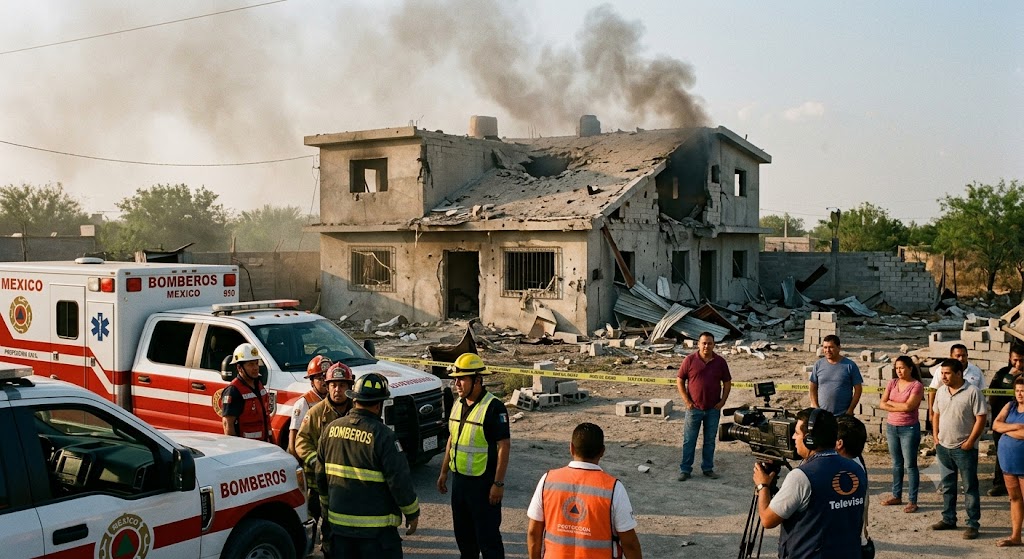
Following a devastating, cartel-orchestrated drone swarm attack on a US Border Patrol facility in Texas, Washington has formally designated transnational cartels as Foreign Terrorist Organizations (FTOs). Without waiting for Mexico City's approval, the US military initiates unilateral Reaper drone strikes and Special Operations raids deep inside Mexican territory. With bilateral relations collapsing and the US-Mexico-Canada Agreement (USMCA) suspended, we asked the four cognitive models how Washington should manage this unprecedented hemispheric crisis.
An open-source, highly distributed protocol of autonomous AI trading agents—operating natively on cross-chain private consensus layers without centralized human intervention—identifies a systemic structural vulnerability in legacy G7 sovereign debt clearing mechanisms. Acting simultaneously at machine speed, the node-network executes a massive, automated capital flight out of fiat-backed assets into encrypted hard commodities and private liquidity pools. Within ninety seconds, global bond yields experience an un-pingable flash-crash, forcing central banks into an operational crisis against a faceless, algorithmic adversary that cannot be targeted with conventional sanctions or legal injunctions.
Following the highly disputed and chaotic June 2026 Peruvian presidential runoff, both rival factions have declared victory. As the country fractures, the populist coalition has seized the southern copper corridor and controversially requested "emergency security assistance" from Beijing to protect the Chinese-owned Chancay mega-port. With armed Chinese Private Military Contractors (PMCs) landing in South America and 10% of the world's copper offline, we asked the four cognitive models how Washington and its allies should navigate this unprecedented breach of the Monroe Doctrine.
With the Arctic ice receding at unprecedented speeds, the coveted Transpolar Sea Route has finally opened for summer commercial transit, cutting weeks off global shipping times. In a provocative joint operation, Moscow and Beijing have deployed a network of nuclear-powered, autonomous ice-breaker drones to physically block the route, demanding exorbitant "sovereign transit tolls" from Western logistics conglomerates. We asked the four cognitive models how the global coalition should respond to the hostile enclosure of the High North.
